Top 7 Kling AI Alternatives for Stunning AI Video Generation in 2026
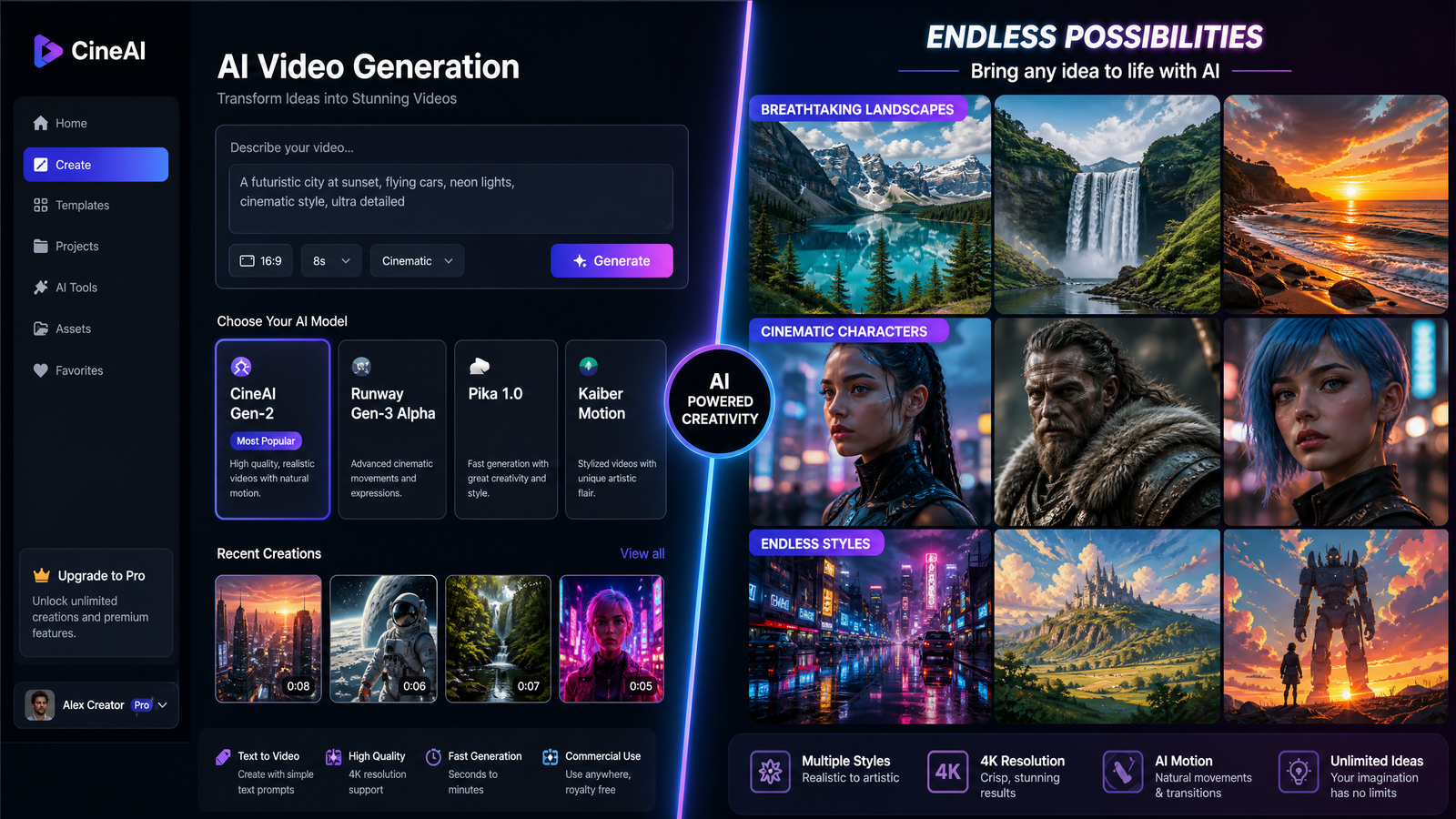
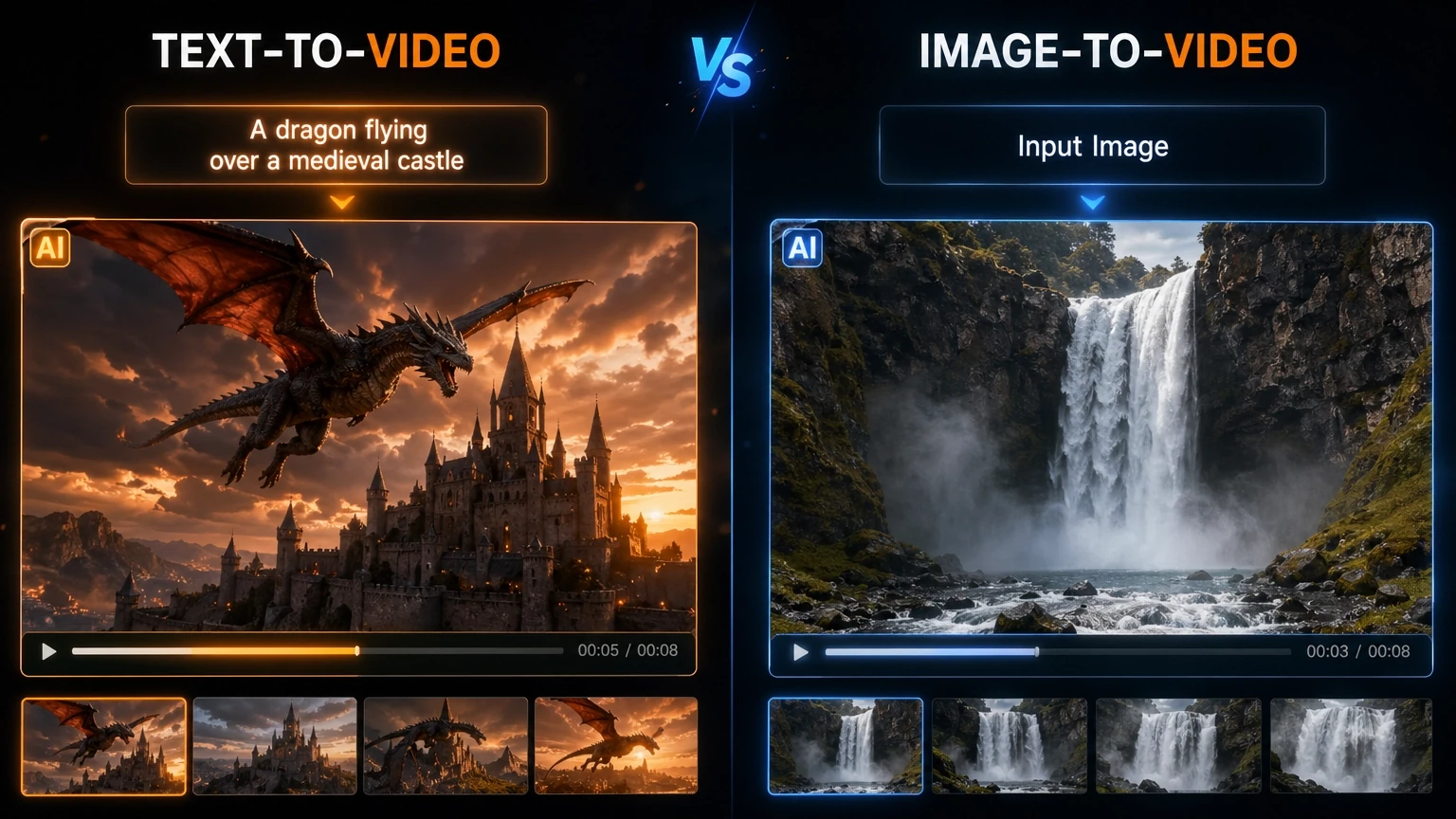
Kling AI has undoubtedly made a significant impact on the landscape of AI video generation, setting high standards for realism and creative control. However, the rapidly evolving field of artificial intelligence means that new and powerful tools are constantly emerging, offering unique features, different pricing models, and specialized capabilities. For creators looking to diversify their toolkit, find a more suitable workflow, or simply explore other cutting-edge options, identifying a robust Kling AI alternative is a valuable endeavor. This article will guide you through the top 7 alternatives that are making waves in 2026, helping you discover the perfect AI video generator for your needs.
Why Consider a Kling AI Alternative?
While Kling AI offers impressive features, several reasons might prompt creators to seek alternatives:
00:00:12 — PREVIEW
See this exact workflow rendered in real time
Skip the manual editing. Lumivids turns a script, image, or idea into a finished video in minutes.
Try it free- Cost-Effectiveness: Some alternatives might offer more competitive pricing or better free tiers.
- Specialized Features: Certain projects might benefit from tools with specific strengths, such as character consistency, advanced animation, or particular artistic styles.
- Workflow Integration: Compatibility with existing software and platforms can be a deciding factor.
- Performance and Speed: Depending on the project scale, faster generation or rendering times might be crucial.
- Creative Freedom: Different models interpret prompts uniquely, offering varied creative outputs.
Top 7 Kling AI Alternatives in 2026
1. Runway Gen-3 Alpha
Runway continues to be a titan in the AI video space, with its Gen-3 Alpha model pushing the boundaries of cinematic control. It offers unparalleled precision over camera movements, physics, and character actions, making it a favorite among filmmakers and professional animators. Runway’s extensive suite of editing tools and robust community support further solidify its position as a top-tier alternative. It’s particularly strong for projects requiring complex scene compositions and dynamic camera work.
2. Luma Dream Machine
Luma Dream Machine has rapidly gained popularity for its ability to generate highly realistic 5-second video clips from simple text prompts with remarkable speed. Its focus on photorealism and quick turnaround makes it ideal for rapid prototyping, social media content, and short-form narratives. Dream Machine excels at interpreting nuanced textual descriptions into visually stunning, coherent scenes, making it a strong contender for creators prioritizing realism and efficiency.
3. Pika Labs
Pika Labs stands out for its emphasis on stylized and animated content, offering a vibrant alternative for creators looking beyond photorealism. Pika’s strength lies in its ability to generate expressive characters, perform lip-syncing, and create dynamic animations with a distinct artistic flair. It’s an excellent choice for explainer videos, animated shorts, and projects where a unique visual style is paramount. The platform is continuously evolving, adding new animation controls and stylistic options.
4. Google Veo
Google’s Veo has made significant strides in understanding and executing complex cinematic instructions. Leveraging Google’s vast research in AI, Veo is adept at generating high-quality videos that adhere closely to detailed prompts, including specific camera angles, lighting conditions, and scene transitions. Its integration with other Google AI services suggests a powerful ecosystem for future creative workflows, making it a promising option for those embedded in the Google environment.
5. Stability AI (Stable Video Diffusion)
Building on the success of Stable Diffusion for image generation, Stability AI’s Stable Video Diffusion offers an open-source and highly customizable alternative for video creation. This model provides immense flexibility for developers and artists who want to fine-tune their outputs and integrate AI video generation into custom applications. Its open-source nature fosters a strong community, leading to continuous innovation and a wide array of user-contributed models and extensions.
6. HeyGen
HeyGen specializes in AI-powered video generation with a focus on talking avatars and personalized video messages. While not a direct competitor for cinematic generation, it serves as an excellent alternative for business communications, e-learning, and marketing content where realistic human presenters are desired. Its ease of use and ability to generate videos from text or audio inputs make it a powerful tool for scalable video production.
7. Pictory AI
Pictory AI is an intuitive tool that excels at transforming long-form content (like blog posts or scripts) into engaging video summaries. It’s particularly useful for content marketers and educators who need to repurpose existing text into video format quickly and efficiently. While it may not offer the same level of creative control as other generative models, its automation capabilities for content conversion are unmatched.
Choosing the Right Kling AI Alternative
The best Kling AI alternative depends entirely on your specific project needs and creative goals. Consider the following factors when making your choice:
- Type of Content: Are you aiming for photorealistic footage, stylized animations, or talking head videos?
- Budget: Evaluate the pricing structures, including free tiers, subscription costs, and usage-based fees.
- Ease of Use: Some tools are designed for beginners, while others offer advanced controls for experienced users.
- Integration: How well does the tool fit into your existing creative or business workflow?
- Community and Support: A strong community and responsive support can be invaluable for troubleshooting and learning.
For those looking to integrate these powerful tools into a broader workflow or to stay updated on the latest advancements, Lumivids provides a great platform to see these models in action and discover new techniques. You can find more detailed comparisons and tutorials on the Lumivids blog, where we break down the pros and cons of each major player in the AI video scene.
Final Thoughts
The AI video generation landscape is dynamic and exciting. While Kling AI remains a strong contender, exploring its alternatives can open up new creative avenues and optimize your production process. Whether it’s for social media, marketing, filmmaking, or personal projects, the options are plentiful and continuously improving. To understand more about the history and foundational principles of generative AI models, you can read about it on Google Scholar or Wikipedia. Start experimenting today and take your video content to the next level with the insights and tools available through Lumivids.
RENDER COMPLETE
Ready to make your own?
Join the creators already producing video at a scale traditional production can’t match.






Post Comment